compound libraries pilot batch materials technical biotechnology

Advanced biosystems are built around a plentiful suite of raw materials to supply inventive bioproducts.
Protecting ethical acquisition of feedstocks is critical to longevity and principled development in the sector.
numerous problems stemming from established sourcing methods including biodiversity loss and excessive resource use. Accordingly, manufacturers should embrace green sourcing tactics to shrink their ecological impacts.
- Examples of sustainable sourcing practices include:
- Employing waste-stream inputs from industry leftovers
- Applying zero-waste frameworks to limit waste and optimize resource use
- Teaming up with provincial partners who practice sustainable procurement
Moving toward responsible sourcing creates ecological improvements and economic resilience.
Refining Biomass Sources to Enhance Fuel Conversion
Advancing fuel production depends on feedstock consistency and composition. Scientists are constantly exploring novel strategies to optimize these feedstocks, leading to higher yields of biofuels and a more sustainable energy future. This involves genetic modifications to increase biomass production, as well as pretreatment techniques that break down complex plant materials into more readily fermentable sugars.
- Additionally, researchers are focusing on identifying new sources of biomass, such as algae, waste products, agricultural residues, to expand the range of sustainable feedstocks available for biofuel production.
- Through these continuous efforts, the field of biofuel production is poised to make significant progress in the coming years, paving the way for a more renewable energy landscape.

Next-Generation Upstream Methods in Biopharmaceuticals
includes primary operations from inoculation through cell collection Recent advances in this domain have led to improved production processes, ultimately increasing product yield.
Significant developments incorporate advanced biological platforms, tailored medium blends, 4-Aminobutyric acid and precision reactor engineering. These changes expand productivity and help reduce both financial and environmental overhead.
- Also, evolving practices favor continuous flow processing which supports more agile upstream control.
- Embracing sophisticated manufacturing strategies is poised to change industry norms and shorten development cycles.

Molecular Editing Strategies to Increase Bioproduct Output
breakthroughs in precise gene modification systems have reshaped biopharma production. By precisely targeting genes within host organisms, researchers can enhance the yield of valuable therapeutic proteins. This approach holds immense potential for developing more efficient and affordable biopharmaceuticals to address a wide range of diseases.
Using Microbial Systems for Site-Specific Remediation
innovative solutions for sustainable bioremediation, a critical process for addressing environmental pollution. Microorganisms possess the remarkable ability to degrade and transform harmful pollutants into less toxic substances.. By harnessing this natural potential, we can develop environmentally friendly strategies for cleaning up contaminated sites and mitigating the negative impacts of industrial activities.. Scientists evaluate varied microbes for potential to remediate metal contaminants, pesticide compounds, and oil-derived pollutants.. These microbes operate in engineered systems or direct environmental applications to metabolize and remove contaminants.
Biological remediation using microbes yields meaningful benefits compared to conventional strategies. The approach tends to lower treatment costs and avoids producing toxic residuals. Also, microbial interventions offer targeted remediation that minimizes collateral ecosystem disturbance. Advancements continue apace to increase the speed, efficiency, and applicability of microbial remediation techniques.
Digital Methods Accelerating Pharmaceutical Discovery
Informatics platforms are essential to current drug discovery and development pipelines. By screening targets and refining candidate molecules, informatics drives faster, evidence-based development.
- By interrogating large-scale omics and clinical information, scientists find new targets and predict candidate efficacy.
- In addition, predictive simulations inform medicinal chemistry efforts to craft more efficacious drugs.
- In conclusion, computational biology reshapes discovery pipelines and speeds delivery of reliable treatments for patients.
Optimizing Metabolism to Increase Bioproduct Production
integrates multiple methods to augment cellular production of target bioproducts. Tactics can encompass genetic engineering to reconfigure metabolism, promoter modulation to adjust expression, and pathway insertion to enable new reactions.. Through strategic metabolic edits practitioners can markedly increase the synthesis of target products.
This multifaceted approach has the potential to revolutionize a broad range of industries, including biopharmaceuticals, agriculture, and bioenergy.

From Lab to Plant: Challenges and Opportunities in Biomanufacturing Scale-Up
Large-scale manufacturing brings notable difficulties together with growth opportunities. One major challenge is maintaining consistent product quality at increased scales. Resolving it depends on rigorous control strategies, precise instrumentation, and comprehensive analytics.

Another concern is that bioprocessing workflows are inherently complex and multi-staged.. Converting small-scale procedures to plant-scale operations necessitates extensive innovation and optimization.. Nonetheless, the advantages can be major. Successful scaling up can lead to increased access of life-saving therapies, reduced production costs, and enhanced profitability.
Multiple programs focus on resolving scale-up difficulties. Efforts include process-digitization tools, integrated analytics for monitoring, and fresh manufacturing paradigms.
- Product development and process R&D are pivotal to boosting production capabilities.
- Government agencies are streamlining review procedures to permit quicker uptake of new production technologies and foster innovation.
Regulatory Strategies for Biopharma Compliance and Patient Protection
Advancing biopharmaceuticals involves heavy regulatory scrutiny to secure product safety and proven efficacy. Biologically based treatments require tailored oversight and production controls beyond those for typical medicines.
Agencies such as the FDA in the United States and the EMA in Europe play a crucial role in establishing guidelines and standards for the approval of these innovative therapies..
Extensive evaluation procedures are essential across development phases, spanning preclinical work to post-market checks.. Those requirements help reveal risks and confirm that biologics satisfy stringent safety criteria..
Additionally, regulators regularly update methods to match the pace of fast-moving biopharma innovations.. This includes embracing novel technologies and facilitating the development process while maintaining a commitment to patient well-being.

Plant-Based Biomass Options for Bioplastic Manufacturing
Growing emphasis on eco-conscious materials catalyzes research into plant-based options. Bioplastics derived from plant biomass provide a viable route to more sustainable plastic alternatives. Organic feedstocks like cornstarch, cellulose, and sugarcane can be converted to compostable polymers that shrink the environmental footprint of plastics.
Likewise, some plant-derived plastics perform similarly to petroleum-based materials for a variety of uses.. Continuous development will unlock plant biomass value for sustainable bioplastic production and support circular systems.
Biotech's Role in Improving Global Health and Agricultural Resilience
Biotech provides transformative capabilities that can change healthcare outcomes and strengthen food systems. Through CRISPR, synthetic circuit design, and cell therapy progress, developers generate methods to counter infectious agents, optimize crops, and elevate nutritional profiles.. For instance, genetically modified crops can be engineered to resist pests and environmental stresses, leading to increased agricultural production and reduced reliance on harmful pesticides.. In addition, the field produces vaccines, treatments, and diagnostic tools that are central to fighting infections and improving health worldwide.. Going forward, advancements in biotechnology are likely to yield interventions that improve health and advance sustainable food systems globally.
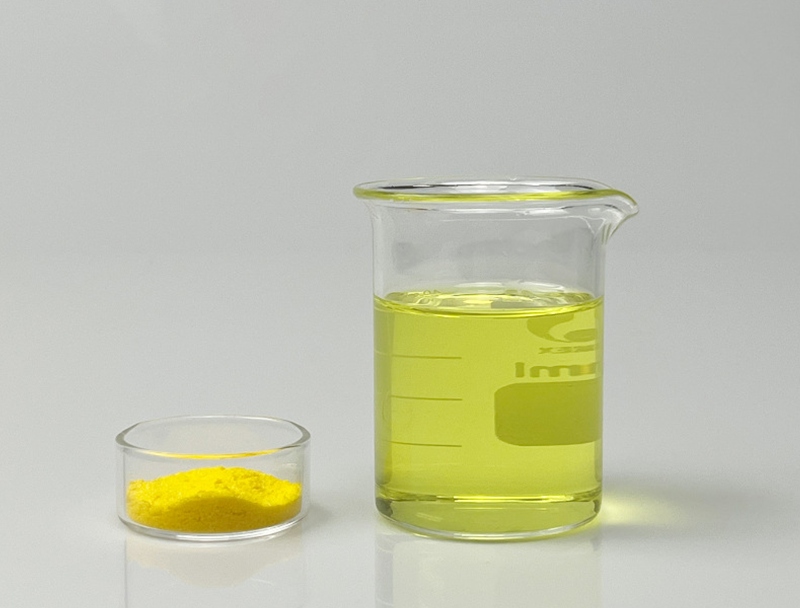 5-ALA
5-ALA